Bezpieczeństwo w pracy to jeden z kluczowych obowiązków każdego pracodawcy. We Francji pracownicy mają prawo wycofać się z pracy, jeśli warunki stwarzają poważne i bezpośrednie zagrożenie dla życia lub zdrowia. To właśnie tzw. droit de retrait.
Podstawy prawne
Prawo to wynika z Kodeksu pracy, w szczególności z:
art. L4131-1 Code du travail, który mówi o możliwości powstrzymania się od pracy w razie poważnego zagrożenia,
art. L4131-3, który zabrania karania finansowo lub dyscyplinarnie za uzasadnione wycofanie się,
art. L4131-4, który zobowiązuje pracodawcę do podjęcia działań eliminujących zagrożenie.
Zasady te obejmują wszystkich pracowników — również zatrudnionych przez podwykonawców. Ochrona dotyczy więc także ekip, które wykonują roboty na zlecenie innej firmy.
Jak to działa w praktyce?
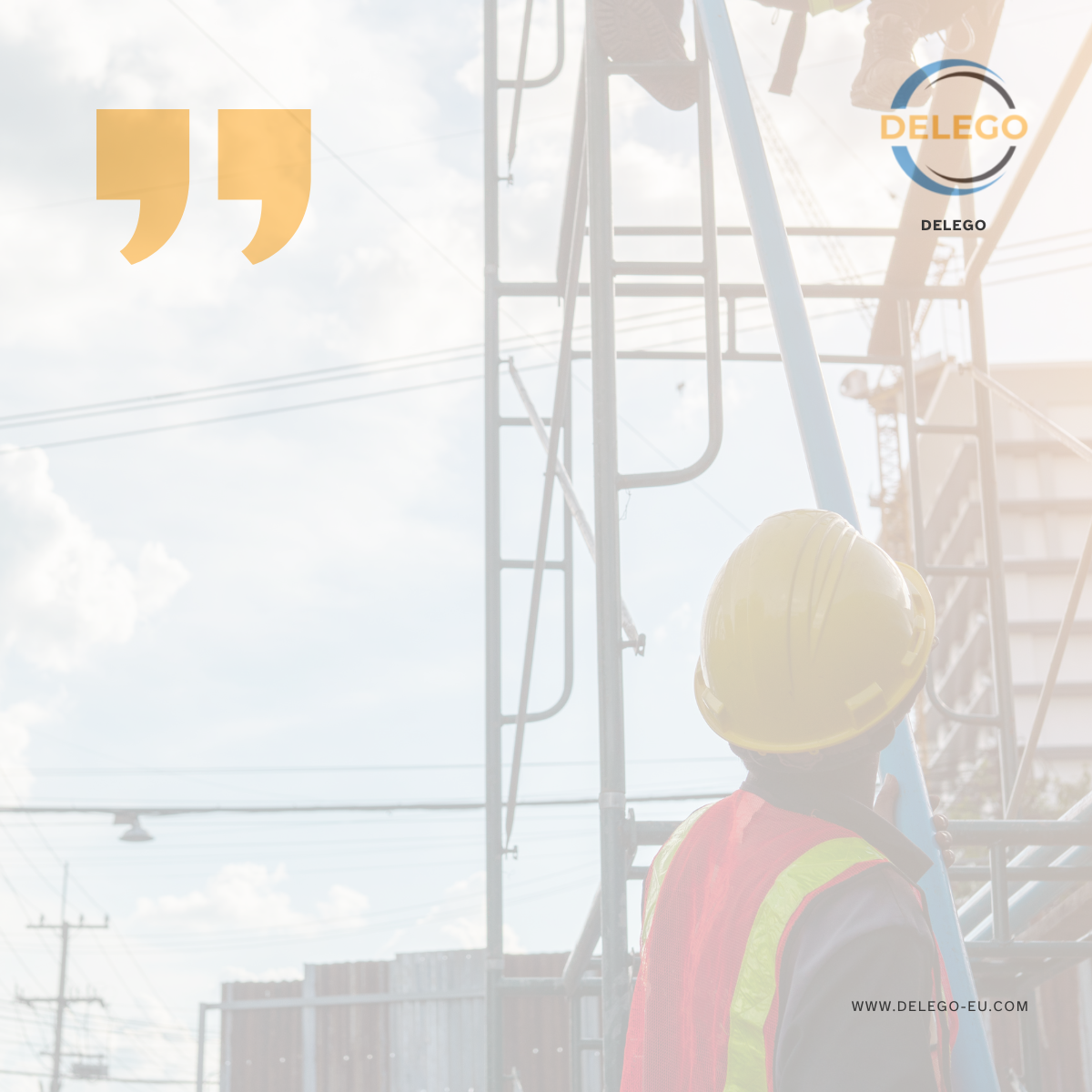
Przykładowo: pracownik budowy widzi, że rusztowanie nie jest właściwie zabezpieczone. Ma prawo natychmiast przerwać pracę i zgłosić to przełożonemu.
Inny przykład: operator maszyny odmawia jej uruchomienia, jeśli brakuje osłon lub zabezpieczeń. To w pełni zgodne z prawem.
Takie prawo w praktyce daje realny wpływ na bezpieczeństwo. Zanim ktoś podejmie pracę w niebezpiecznych warunkach, może zgłosić ryzyko i zatrzymać roboty.
Droit de retrait w firmach podwykonawczych
W rzeczywistości na budowie sytuacja bywa bardziej złożona. Podwykonawcy często działają pod presją donneur d’ordre — zleceniodawcy odpowiedzialnego za całość inwestycji. Bywa, że firma odpowiedzialna za konstrukcje metalowe wymaga, by monterzy rur z firmy podwykonawczej weszli na konstrukcję i pracowali mimo zastrzeżeń BHP.
Teoretycznie każdy pracownik ma prawo odmówić pracy. Jednak w praktyce ekipy podwykonawcze nieraz obawiają się, że odmowa może skutkować utratą kontraktu czy karami umownymi. Dlatego wiedza o prawie i procedury ochrony są w takich relacjach kluczowe.
Czy prawo działa w praktyce? Nasza opinia
Z formalnego punktu widzenia droit de retrait obowiązuje także w firmach podwykonawczych. Odpowiedzialność za bezpieczeństwo zawsze ponosi bezpośredni pracodawca. Dodatkowo donneur d’ordre musi koordynować zasady BHP na całym placu budowy.
Pracownik, który uzasadnione skorzysta z tego prawa, nie powinien stracić wynagrodzenia. W razie sporu to pracodawca musi udowodnić, że zagrożenia nie było. Zbyt pochopne przerwanie pracy może jednak zostać uznane za nieobecność bez usprawiedliwienia.
Konsekwencje finansowe — co warto wiedzieć
Gdy przerwanie pracy jest uzasadnione, nie ma mowy o żadnych sankcjach czy potrąceniu wynagrodzenia. Ważne jest jednak dobre udokumentowanie sytuacji — notatki, zdjęcia, protokoły. To ułatwia obronę przed ewentualnymi roszczeniami lub zarzutami.
Praktyczne wskazówki
Nie ignoruj zgłoszeń o zagrożeniu. To sposób, by uniknąć wypadku i kosztów.
Prowadź dokumentację. Daje to silny argument w razie sporów z donneur d’ordre.
Ustal jasne procedury. Pracownik musi wiedzieć, co robić, gdy dostrzeże zagrożenie.
Bądź w kontakcie z głównym wykonawcą. Jeśli Twój BHP-owiec zgłasza ryzyko, nie bój się przerwać pracy.
Warto pamiętać: ostatecznie prawo chroni pracownika, nie zleceniodawcę.
Podsumowanie
„La sécurité passe avant tout!” — bezpieczeństwo zawsze na pierwszym miejscu!
Droit de retrait to realna ochrona, nie martwy przepis. W firmach podwykonawczych świadomość tych zasad może zapobiec wypadkom i problemom prawnym.
Masz pytania, jak wdrożyć procedury BHP zgodne z francuskim prawem? Napisz do nas — pokażemy, jak chronić Twoich ludzi i Twoją firmę.