Employer's obligations
Any employer wishing to second employees to France must adhere to strict procedures. Above all, it is essential to adhere to the provisions of the French Labor Code regarding employment conditions and the protection of employee rights. The company must also ensure proper documentation, including the drafting of a valid employment contract in compliance with French law.
Employee salary
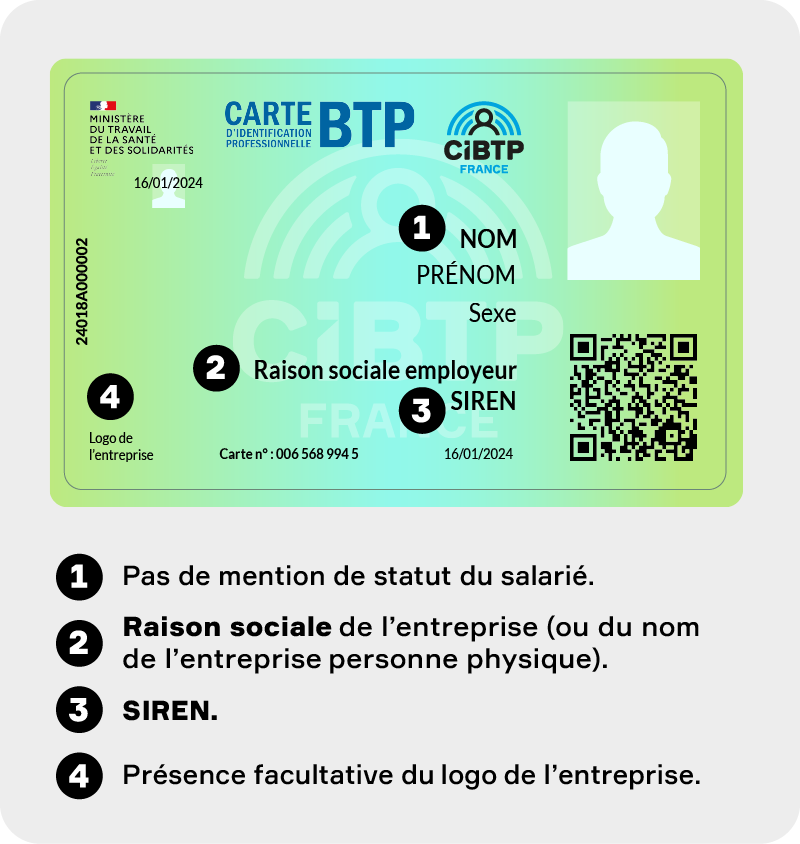
It's also crucial that the working conditions provided to the posted employee are no worse than the minimum standards in force in France. Companies in France that accept foreign temporary workers are obligated to cooperate in verifying compliance with the regulations. Furthermore, before starting work in France, an application for a BTP card must be prepared if the employees will be employed in the construction sector.
Posting workers to France – the importance of complying with the French labor code
Sending employees to work in France requires full knowledge and compliance with the French Labor Code. Employers must ensure that services are provided in accordance with applicable standards regarding safety, working hours, and remuneration. This means that the employment contract concluded with the posted employee must be aligned with French standards. Failure to comply with these obligations may result in penalties imposed by the Labor Inspectorate during inspections in France.
French legislation, what you need to know
The company should also ensure that employment conditions are similar to those applicable to employees directly employed in France. Compliance with local labor regulations, including working hours and health and safety regulations, is essential to maintaining the legality of the entire process. Any irregularities in the provision of services can result in serious legal consequences for the company.
Are you opening or running a business in France? Need support with employee posting and accommodation? Delego's offer is for you!
Obligation to appoint a representative in France
In the case of posting employees to France, the foreign employer is obliged to appoint a local representative (“représentant de l'entreprise sur le territoire français”) for the entire duration of the posting.
This representative acts as a liaison between the company and the French administrative authorities (such as the Labour Inspectorate, URSSAF, Prefecture) and is responsible for storing and making available the required documentation (e.g. employment contracts, A1 certificates, BTP cards, salary confirmations, etc.) during inspections.
Failure to appoint a representative may result in an administrative fine of between €2,000 and €4,000 for each posted worker, and in the case of repeated infringements, the fine may increase to up to €500,000 for the entire company.
DeleGO can act as such a representative in France, providing full administrative support and compliance with French employment law.
By working with us, you minimize the risk of sanctions being imposed and gain professional support in contacts with authorities.
Procedure for registering employees and obtaining a BTP card
To post workers to France, it is necessary to register employees through the SIPSI system. Each posted employee must be properly registered, and the company must prepare an application for a BTP card for construction workers. Proper registration and obtaining the card is a mandatory requirement, and failure to do so may result in sanctions from the French labor inspectorate. Employers should ensure that all documents related to work in France are up-to-date and compliant with regulations.
Legality of employment
The BTP card confirms the legality of a temporary worker's employment and their authorization to work in France. This process also requires meeting the requirements of the employment contract and adhering to the working conditions specified in the French Labor Code. Correctly completing the registration procedure significantly facilitates the provision of services in France.
Employment conditions and remuneration of seconded workers
Sending employees to France requires appropriate employment conditions, in accordance with the French Labor Code. Each posted employee must receive an employment contract that clearly defines their duties, working hours, and remuneration conditions. The company is obligated to provide a minimum wage in line with local rates in force in France.
Appropriate working conditions for employees
Equally important are additional benefits, such as per diem allowances and travel reimbursement, which should be specified in the contract. Companies in France often collaborate with foreign employers to verify compliance with employment regulations. In the event of violations of applicable regulations, the labor inspectorate can impose significant fines. Ensuring appropriate working and employment conditions is crucial for the legal provision of services in France.
Company control and responsibility when working in France
Employers posting temporary workers to France are fully responsible for ensuring compliance with applicable regulations. The company must be prepared for any inspections conducted by the French labor inspectorate in France. These inspections may include verification of working conditions, contract format, and the correctness of employee registration. To legally post workers to France, complete documentation must be provided, including a valid BTP card application.
Working conditions in France for the duration of the service
It's also crucial that the employment contract includes all the elements required by the French Labor Code. The company should also ensure appropriate service provision, taking into account local labor regulations in France. Regularly updating your knowledge of French labor law helps avoid mistakes and effectively manage the process.
Secondments to France, what is worth remembering?
- When providing services in France, appropriate documentation must be prepared for each employee.
- Every employee posted to work abroad is subject to specific rules under the French Labor Code.
- During the period of secondment, the employer must provide the employee with employment conditions in accordance with the regulations of the host country.
- Precisely defining the period of secondment in the employment contract is crucial for compliance with labor law.
- As part of the provision of services, each company must register each employee with the relevant authorities in France before starting work.
- If the length of the posting period changes, the notifications in the SIPSI system must be updated immediately.
- For every employee seconded to provide services, it is important to ensure appropriate social and health insurance for the duration of their stay.
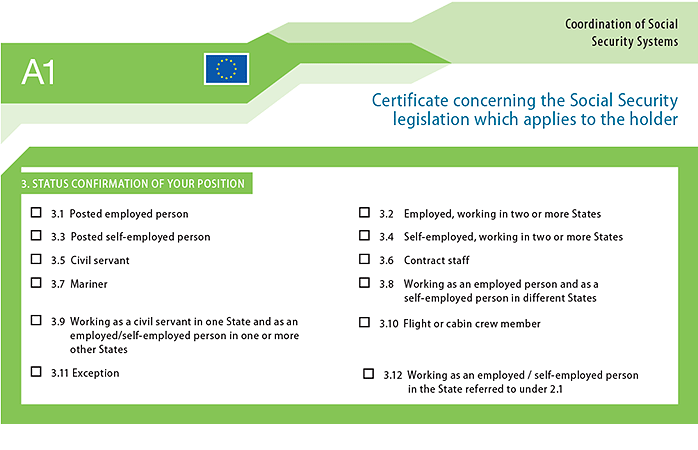
- Every employer posting workers to France should ensure they obtain an A1 certificate for their employees.
- During an inspection in France, a labour inspector may request the presentation of an A1 certificate and documents confirming working hours.
- The standard posting period is 12 months, after which it is possible to extend it under certain conditions.
- At the workplace of the posted employee, working time and occupational health and safety regulations must be observed.
- The A1 certificate confirms that the employee is subject to social security in the posting country, even while working in France.
- The labor inspector has the right to check whether the information regarding the workplace and working hours is consistent with reality and the employer's documentation.
- If the posting period exceeds 12 months, the company posting to France must report the extension and meet additional formal requirements.